
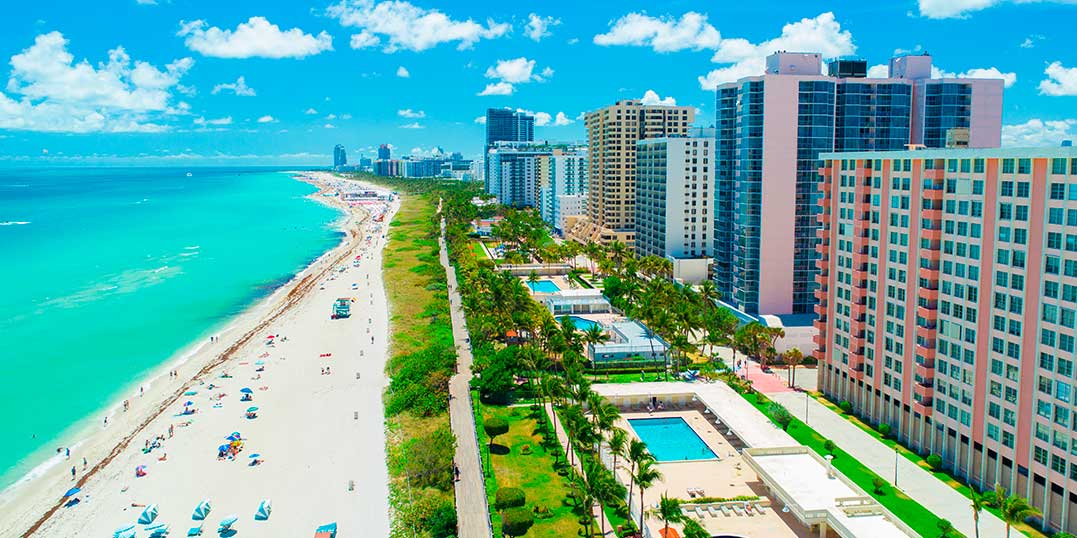
Moving From Minneapolis, MN to Miami, FL
April 16, 2026
Relocating across the country is always a defining life moment, but moving from Minneapolis to Miami stands out as a truly transformative transition. You’re changing cities and stepping into an entirely different climate, culture, and pace of life.
For individuals and families, this move brings both excitement and uncertainty. The promise of sunshine, coastal living, and new opportunities is balanced by questions about cost, logistics, and lifestyle adjustments.
This comprehensive guide is designed to walk you through every stage of the journey, from early planning to settling into your new home, so you can approach your move with clarity, confidence, and peace of mind.
Understanding the Scale of Your Move

Before diving into logistics, it’s important to understand what makes this relocation unique.
- A Cross-Country Distance That Requires Strategic Planning: The journey from Minneapolis to Miami spans roughly 1,700 miles. This distance introduces complexities that go beyond a typical regional move, requiring detailed coordination and reliable transportation.
- A Transition Between Two Distinct Regions: You are moving from the Midwest to South Florida. These two regions have vastly different climates, cultures, and economic environments. This shift impacts everything from your wardrobe to your daily routines.
- A Lifestyle Change, Not Just a Relocation: Unlike shorter moves, this transition often involves redefining habits, social circles, and even long-term goals. Preparing mentally for this change is just as important as planning logistics.
How to Prepare For a Move From Minneapolis to Miami
Preparation is the foundation of successful interstate relocation.
- Building a Realistic Moving Timeline: Start planning at least 6–8 weeks. This allows time to research professional moving companies, organize belongings, and manage administrative tasks without unnecessary stress.
- Decluttering Before the Move: Long-distance moving costs are often based on weight and volume. Taking time to sort, donate, or discard unused items can significantly reduce expenses and simplify unpacking.
- Organizing Important Documents: Keep essential documents, such as IDs, financial records, and medical information, easily accessible during the move. These should travel with you rather than in the moving truck.
- Preparing Emotionally for the Transition: Leaving behind familiar surroundings can be challenging. Taking time to acknowledge the emotional aspect of the move helps create a smoother adjustment period.
Weather Differences: Adjusting to Miami’s Tropical Climate
Perhaps the most immediate change when relocating from Minneapolis to Miami is the weather. The contrast is dramatic and requires both physical and mental adjustment.
- From Freezing Winters to Constant Warmth: Minneapolis winters are known for subzero temperatures and heavy snowfall, while Miami maintains warm conditions throughout the year. Even in winter months, temperatures rarely drop below the 60s.
- Managing Heat and Humidity: Miami’s climate is warm and humid. Summer months can feel intense, especially for newcomers. Air conditioning becomes essential, and daily routines often shift to avoid midday heat.
- Understanding Hurricane Season: Unlike Minneapolis, Miami residents must prepare for hurricane season, which runs from June through November. While not every season brings severe storms, preparedness is a key part of living in South Florida.
- Adapting Your Lifestyle to the Climate: Residents quickly learn to embrace early mornings and late evenings for outdoor activities. Over time, the rhythm of the day naturally adjusts to the environment.
Cost of Living: Moving from Minneapolis to Miami

A critical aspect of any Minneapolis to Miami interstate moving guide is understanding how your financial reality will shift once you arrive. While Miami offers undeniable lifestyle advantages, the numbers tell an important story.
Housing Costs Are Significantly Higher
Housing is by far the most dramatic change when relocating from Minneapolis to Miami. On average, rent for a single person in Miami is around $2,092 per month, compared to approximately $1,400 in Minneapolis, representing a substantial increase in monthly housing costs.
For families, the gap becomes even more pronounced. Average monthly housing expenses can reach $3,700+ in Miami, compared to roughly $2,400 in Minneapolis.
Everyday Expenses Add Up Over Time
While housing is the largest expense, day-to-day costs also contribute to the overall financial shift. A single person’s total monthly cost of living in Miami averages around $3,200, compared to approximately $2,380 in Minneapolis, making Miami about 30–35% more expensive overall.
Food and groceries are modestly higher. Transportation expenses also increase slightly due to higher fuel prices and parking costs.
Income and Affordability Considerations
One of the more nuanced aspects of this move is the relationship between income and cost of living. While Miami offers strong job growth, average take-home salaries are almost the same.
At the same time, affordability pressures are higher. Recent estimates suggest that a household may need close to $110,000 annually to comfortably afford average rent in Miami, highlighting the growing gap between income and housing costs.
Savings Through Tax Advantages
Despite higher living costs, Florida’s tax structure provides a meaningful financial advantage. With no state income tax, many households retain more of their earnings compared to Minnesota residents.
Finding a New Home in Miami
Miami’s housing market is faster-moving and significantly more expensive, so approaching your search with clear expectations and preparation is essential.
A Fast-Moving and Competitive Market
Miami’s housing demand remains strong due to continued migration and international interest. As of recent market data, the median home price is approximately $723,500, nearly double that of Minneapolis, where median prices typically range closer to $320,000.
Rental demand is equally competitive. The average rent for a one-bedroom apartment in Miami is around $2,000 compared to roughly $1,400 in Minneapolis. In many neighborhoods, well-priced units can be leased within days, particularly during peak moving seasons.
Renting First as a Practical Strategy
Given the pace and pricing of the market, many newcomers choose to rent before buying. This approach allows you to experience different neighborhoods, evaluate commute times, and better understand the local market before committing long-term.
Current conditions support this strategy:
- Renting is often more flexible and accessible than buying at today’s price levels
- Homeownership includes additional costs such as property taxes, insurance, and maintenance
- A short-term lease (6–12 months) provides time to make a more informed purchase decision
- For many families, this staged transition reduces pressure and leads to better long-term outcomes.
Choosing the Right Neighborhood for Your Lifestyle
Miami’s neighborhoods vary significantly, and selecting the right one has a direct impact on your daily experience.
- Urban areas like Brickell and Downtown offer convenience, walkability, and proximity to major employers, making them ideal for professionals.
- Suburban communities such as Coral Gables, Pinecrest, and Kendall provide more space, quieter surroundings, and access to highly rated schools.
- Coastal areas like Miami Beach and Coconut Grove deliver scenic views and a relaxed lifestyle, though often at a higher price point.
- Emerging neighborhoods such as Wynwood offer a mix of cultural energy and redevelopment, sometimes at slightly more accessible price levels.
Cultural Shift: Moving From Minneapolis to Miami
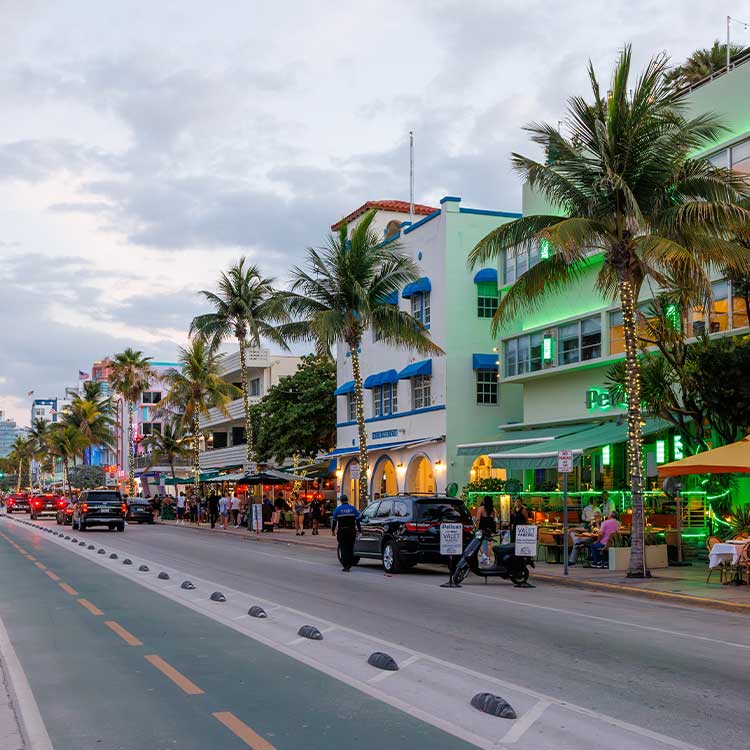
Adjusting to Miami’s culture is one of the most meaningful parts of settling in successfully.
A Multilingual and Multicultural Community
Miami is one of the most diverse cities in the United States, with more than 70% of residents identifying as Hispanic or Latino and a strong presence of Caribbean and international communities. Spanish is widely spoken in both social and professional settings, and in many neighborhoods, it is just as common as English.
A More Social and Expressive Lifestyle
Compared to the more reserved and structured pace often associated with Minneapolis, Miami embraces a lifestyle that is outwardly social and expressive. Conversations tend to be more informal, gatherings are more spontaneous, and schedules are often more flexible.
It’s not unusual for dinners to begin later in the evening or for social plans to extend well into the night. Over time, many newcomers find themselves naturally adapting to this rhythm, becoming more comfortable with a less rigid and more experience-driven way of living.
A Food Scene That Reflects Global Influence
Miami’s culinary landscape is a direct reflection of its cultural diversity. Rather than a single dominant cuisine, the city offers a wide range of authentic dining experiences, from Cuban and Colombian to Haitian, Peruvian, and beyond.
A City That Thrives on Energy and Creativity
Miami is a city that places a strong emphasis on creativity, entertainment, and self-expression. Events like Art Basel Miami Beach, along with year-round music festivals, cultural celebrations, and art installations, contribute to a constantly evolving cultural scene.
Transportation and Daily Commutes
Adjusting to transportation is an important part of settling in after moving from Minneapolis to Miami, as daily travel looks and feels quite different. Miami is largely car-dependent, with more than 75% of commuters driving to work. Unlike Minneapolis, where public transit, biking, and walkability are more integrated, most Miami residents rely on personal vehicles for commuting, errands, and school runs. For many relocating households, this means planning for at least one car and factoring in additional costs such as parking, tolls, and insurance.
Traffic congestion is another key consideration. Miami consistently ranks among the most congested metro areas in the U.S., with average commute times often approaching 30 minutes one way and significantly longer during peak hours.
Public transportation options like Metrorail, Metromover, and Tri-Rail do exist and can be useful in specific corridors, particularly in Downtown and Brickell. However, coverage is limited compared to Minneapolis, and travel times are not always competitive with driving.
Job Market and Employment Outlook
Miami offers a dynamic but competitive job market for those relocating from Minneapolis to Miami, with strong growth in industries like healthcare, finance, tourism, and international trade. The Miami metro area has a workforce of over 3 million people, and recent employment growth has been steady, particularly in sectors tied to global business and population growth.
However, wages tend to be slightly lower on average. Miami’s median household income is $62,462, compared to about $80,846 in Minneapolis. This gap can be partially offset by Florida’s lack of state income tax, though higher housing costs often balance out those savings.
Education and Family Considerations
The Miami-Dade County Public Schools system is one of the largest in the U.S., serving over 330,000 students across 500+ schools, with specialized programs in areas like STEM, international studies, and the arts. In addition, there is a strong presence of private and bilingual schools, which can be especially appealing for families seeking smaller class sizes or language immersion.
Miami is also home to several well-regarded higher education institutions, including the University of Miami and Florida International University. These universities not only provide strong academic programs but also contribute to local career pathways in fields such as healthcare, business, and international relations, making Miami a viable long-term location for students and young adults.
Building a Social Network in Miami
After moving from Minneapolis to Miami, having the right platforms and local resources can make building connections faster and more intentional. Here are some trusted, widely used options to help you plug into both social and professional communities:
- Meetup – A go-to platform for finding local groups based on shared interests, including networking events, fitness groups, tech meetups, and family activities.
- Greater Miami Chamber of Commerce – Ideal for professionals and business owners looking to attend networking events, workshops, and local business programs.
- The Miami Beach Chamber of Commerce – Offers networking opportunities, community events, and local engagement programs, especially valuable if you live near the coast.
- Eventbrite – A platform to discover everything from cultural festivals and workshops to professional networking events happening across Miami.
- Bumble BFF – A popular way to make one-on-one connections, especially for individuals new to the city, looking to build friendships quickly.
- HandsOn Miami – A great option for meeting people while giving back. Volunteer events provide a more meaningful and community-driven way to build relationships.
- Facebook Groups – Searching for terms like “Miami newcomers,” “Miami moms,” or “Miami professionals” can quickly connect you with active local communities.
Minneapolis vs. Miami: Quick Comparison
| Category | Minneapolis, MN | Miami, FL | What It Means for Your Move |
| Median Home Price | $320,000 | $723,500 | Expect significantly higher home purchase costs in Miami |
| Average Rent (1BR) | $1,400 | $2,092 per month | Renting costs are 50–70% higher in Miami |
| State Income Tax | 5.35%–9.85% | 0% | Potential tax savings in Florida |
| Average Winter Temperature | 10°F to 25°F | 65°F to 75°F | Major lifestyle shift to a warm, tropical climate |
| Summer Climate | Mild to warm, low humidity | Hot, humid, frequent बारिश | Prepare for humidity and air conditioning needs |
| Primary Transportation | Mix of driving, transit, biking | Primarily driving | Likely need a car in Miami |
| Average Commute Time | ~22–25 minutes | ~25–35+ minutes | Traffic congestion can increase commute times |
| Population Diversity | Diverse | Highly diverse, global | More multicultural environment in Miami |
| Language | Primarily English | English + widely spoken Spanish | Bilingual environment is common |
| Lifestyle Pace | Structured, peaceful | Fast-paced, social, vibrant | Cultural adjustment in daily rhythm |
| Outdoor Activities | Parks, lakes, seasonal recreation | Beaches, year-round outdoor living | More consistent outdoor lifestyle |
Moving Checklist for Minneapolis to Miami

A successful interstate move comes down to timing, organization, and knowing what to expect at each stage. These Minneapolis to Miami moving tips break the process into manageable phases, so nothing is overlooked.
8–10 Weeks Before Moving: Build Your Plan
Research and secure a reputable Minneapolis long-distance mover early. For long-distance relocations, availability can fill quickly, especially during the summer months. This is also the ideal time to begin decluttering. Reducing the volume of items you move can significantly lower costs and simplify unpacking.
6–8 Weeks Before Moving: Lock in Key Details
Confirm your moving date and schedule an in-home or virtual estimate to ensure pricing accuracy. Begin organizing important documents such as IDs, medical records, school transcripts, and moving contracts in one accessible place.
If you’re selling or ending a lease in Minneapolis, finalize timelines and coordinate closing or move-out dates. At the same time, secure housing in Miami, whether that’s a lease, home purchase, or temporary accommodation.
4 Weeks Before Moving: Start Packing Strategically
Begin packing non-essential items such as seasonal clothing, décor, and rarely used kitchenware. Clearly label boxes by room and contents to make unpacking easier.
Arrange for utility disconnections in Minneapolis (electric, gas, water, and internet) and schedule activations in Miami to align with your arrival. This is also the time to update your address with banks, insurance providers, subscriptions, and the postal service.
2 Weeks Before Moving: Finalize Logistics
Confirm all details with your moving company for Minneapolis to Miami, including pickup window, delivery timeline, and contact information. Prepare an essentials box with items you’ll need immediately upon arrival, such as toiletries, medications, chargers, important documents, and a few days’ worth of clothing.
If traveling by air or car, finalize transportation plans and accommodations. For families, coordinate school transfers and ensure enrollment paperwork is complete.
Moving Week: Stay Organized and Ready
Finish packing and separate any items that will travel with you. Defrost and clean appliances, and ensure your home is ready for handoff. On moving day, do a final walkthrough to confirm nothing is left behind.
Keep communication open with your movers and retain all documentation for reference during transit.
After Arrival in Miami: Settle in Efficiently
Once you arrive, begin by unpacking essentials and confirming that utilities are fully operational. Inspect your belongings as they are delivered and report any issues promptly.
Within the first 30 days, update your Florida driver’s license and vehicle registration, as required by state law. Take time to familiarize yourself with your neighborhood, locate nearby grocery stores, healthcare providers, and schools, and begin establishing your new routine.
Why Choose Piepho for Your Interstate Move
As a trusted name since 1952, Piepho Moving & Storage understands the complexities of interstate moves and is equipped to manage every detail with precision and care.
- Dedicated Moving Coordination: Every move is supported by a dedicated coordinator who serves as your single point of contact. From the initial in-home survey to final delivery, your coordinator ensures timelines are met, questions are answered promptly, and every aspect of your move is carefully managed.
- Proven Reliability and Performance: With a 99% on-time loading rate and 98% on-time delivery rate, our track record reflects consistency and dependability. Backed by decades of experience and thousands of successful relocations, we provide the level of reliability that long-distance moves demand.
- Expertise in Specialty Moving: We specialize in handling high-value and delicate items, including pianos, artwork, antiques, and collections. When needed, we use custom crating and specialized techniques to ensure these items are transported safely and securely over long distances.
- Comprehensive, All-Inclusive Services: Our services are designed to simplify every stage of your move. From professional packing and unpacking to secure, climate-controlled storage, we offer a complete solution tailored to your needs. As an agent of Allied Van Lines, we also provide access to a nationwide and global network, ensuring seamless coordination from Minneapolis to Miami and beyond.
Move From Minneapolis to Miami with Piepho
Relocating from Minneapolis to Miami is a significant step, but with the right preparation and long-distance moving partner, it can be a smooth and rewarding experience.
Reach out to Piepho Moving & Storage today to receive a personalized quote and discover how our premium, customer-focused services can make your interstate move seamless from beginning to end.